


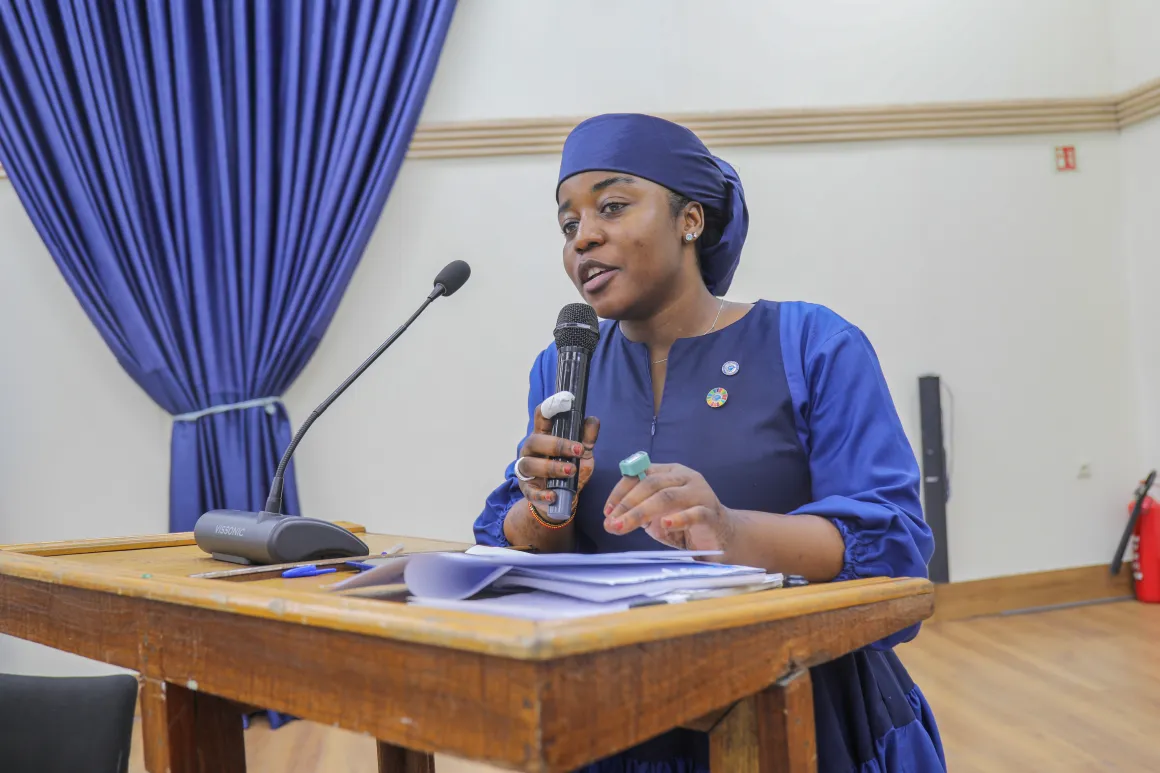
As part of a multidimensional dialogue blending substantive debate, life stories, and artistic expression, Kinshasa hosted an asylum workshop titled "Peace Circle" on March 17. Designed to amplify the voices of the voiceless, this initiative fostered a unique synergy between Ms. Maryam Bukar Hassan, UN Global Champion for Peace, women leaders, civil society representatives, and youth activists. For the UN Global Peace advocate, this direct grassroots immersion is an indispensable catalyst for any lasting global change in the Democratic Republic of Congo (DRC).
The activity focused on two major pillars. The first session, "Women's Access to Justice," explored challenges related to legal protection, accountability, and the dignity of survivors, while proposing concrete steps to dismantle systemic barriers. The second session, themed "Investing in Women is Investing in Peace" served as a plea to demonstrate that supporting women is the essential engine of national stability.
Resilience as a pillar of reconstruction
Drawing from her exchanges with local communities, Ms. Maryam Bukar Hassan highlighted the strength of Congolese women: "One thing is clear: the women of Congo are ready to be integrated as a pillar of strength and resilience for the reconstruction of the country and their communities," she affirmed. She insisted on the necessity of carrying these local realities to the highest international strategic levels.
Beyond political analysis, healing also operates through art. Nigerian poet Maryam Bukar Hassan shared her experience using poetry as a therapeutic tool, announcing the expansion of her "My Voice" initiative to the DRC. Already launched in Nigeria, this platform aims to equip young storytellers with digital skills so they can reclaim autonomy over their own narratives.
Stepping out of the media shadow
One of the highlights of her intervention was an appeal for equitable global solidarity. While world attention is often captured by other crises, Ms. Maryam Bukar Hassan recalled the Congolese urgency: "The situation in Congo is not reflected as it should be in mainstream media. We hear about 'Free Palestine,' 'Free Sudan'... but Congo also deserves for us to speak up for it."
The situation in Congo is not reflected as it should be in mainstream media. We hear about 'Free Palestine,' 'Free Sudan'... but Congo also deserves for us to speak up for it.
For the UN Global Peace Advocate, this deficit in media attention must not obscure the depth of the crisis, but rather galvanize local voices. She urged the audience, particularly the youth, to no longer submit to narratives imposed from the outside. "We must be the first narrators of our own story," she hammered home, emphasizing that the "liberation" of Congo inevitably passes through bold speech.
A plea for action
Local leaders present welcomed this inclusive approach. Honorable Dominique Munongo, National Deputy, stressed the importance of sustaining these spaces for dialogue: "This type of meeting must be organized more often so that everyone understands that it is primarily a matter of mass education and civic education, so that all realize we need each of us to build the Congo."
For the national elect, solidarity must not be a hollow word but an active, collective commitment. She insisted that fragmented efforts weaken the nation, while a real synergy between institutions, civil society, and citizens constitutes the only effective bulwark against instability. "To be in solidarity is to transform every local initiative into a national force capable of meeting the challenges of peace and development," she added.
Youth at the heart of change
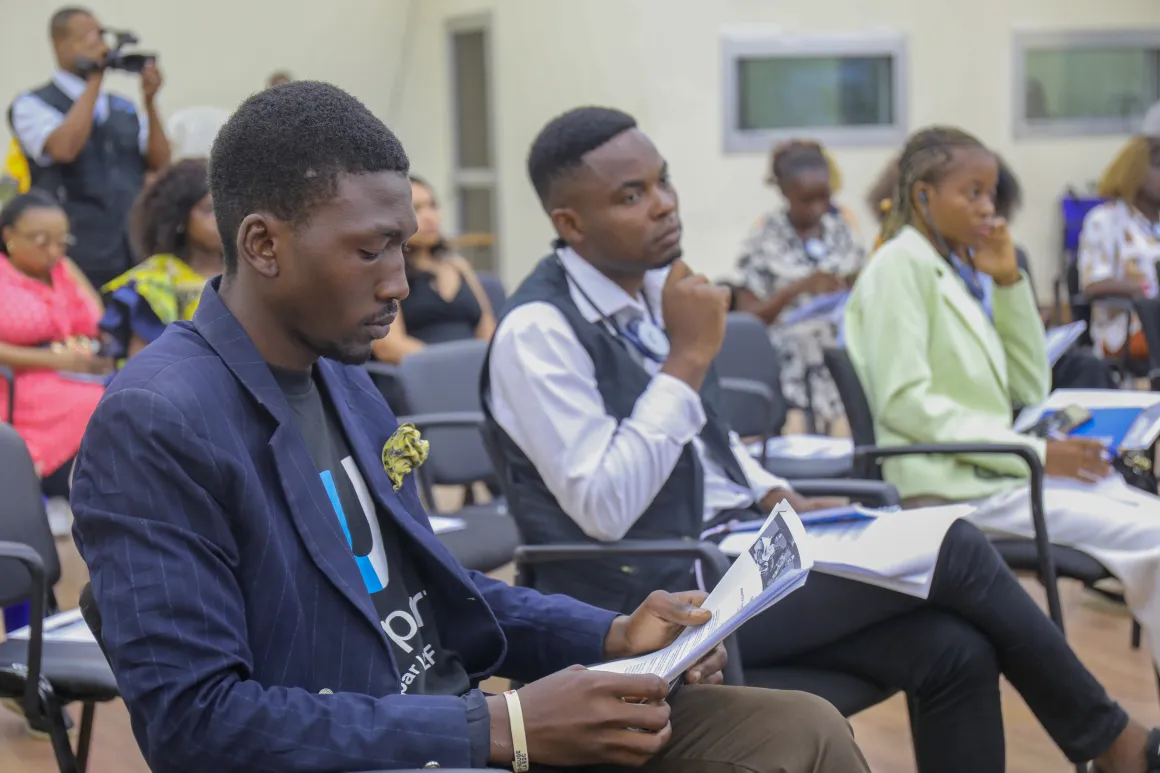
For Andrea Amisi, a young leader and member of the UNICEF-supported U-Report movement, participating in the Peace Circle represents a true lever for community mobilization: "What I learned here will allow me to give a feedback report to my community, to motivate girls and young people to invest more in issues related to peace."
By committing to bring the voice of the Peace Circle to the youth of her base, Andrea Amisi highlights the importance of intergenerational solidarity. Her role as a U-Reporter becomes essential: using digital tools and grassroots awareness to break barriers and allow every young person to feel responsible for the stability of their nation. This determination echoes Ms. Maryam Bukar Hassan's advocacy for narrative autonomy: young people are no longer mere spectators, but the architects of a united and solidary Congo.
Art to challenge
Through a vibrant poetic note, reminding decision-makers that investing in women is a winning choice for the entire nation, Ms. Do Nsoseme, a committed artist, poet, and slammer, launched this poignant appeal: "Dear political leaders, dear governors, support women in their fight. When women are victorious, the children win, and when the children win, the future is assured."
This "Peace Circle" was not just a meeting; it was a true rallying cry. For the UN Global Peace Advocate and all participants, the message is crystal clear: investing in peace in Congo means, above all, investing in those who constitute its foundation.
Jean-Claude Wenga


