


The MONUSCO, through its Disarmament, Demobilization, Reintegration and Stabilization (DDRS) Section, in support of the Disarmament, Demobilization, Community Recovery and Stabilization Programme (PDDRCS), on Friday 12 June 2026 handed over and launched several socio-economic reintegration projects in the localities of Balingina, Sota and Tsere, in Irumu Territory.
Funded to the tune of USD 447,000.00 and implemented by the NGOs Association des Ituriens pour le Développement et la Promotion de l’Ituri (ASSOCITURI), Femmes Engagées pour la Paix en Afrique (FEPA) and Peace of Mind Initiative (PMI), these initiatives aim to strengthen social cohesion, improve living conditions and provide sustainable alternatives for ex-combatants who have chosen to lay down their arms. These projects are being implemented in a territory that continues to face security challenges linked to armed groups activities. Located in the south of Ituri Province, Irumu is an area with strong agricultural and commercial potential, crossed by strategic routes linking Bunia to Komanda and National Road 4. For many residents, these projects represent much more than infrastructure or income-generating activities: they embody hope for a lasting return to stability.
Balingina: rebuilding together after violence
In Balingina, in the Walese Vonkutu chiefdom, MONUSCO and its partners ASSOCITURI and PMI launched a socio-economic reintegration project benefiting 180 beneficiaries, including 60 demobilized ex-combatants.
Over the coming months, beneficiaries will take part in the rehabilitation of six kilometres of road between Mangiva and Balingina, the establishment of an agricultural cooperative equipped with two offices and a meeting room, the identification and cultivation of individual and community fields, as well as technical training and psychosocial support. Farming tools will also be provided to strengthen their economic self-reliance.
The foundation stone for the future agricultural cooperative office was laid during the ceremony. For Josiah Obat, Head of the MONUSCO Office in Bunia, these initiatives reflect a clear vision of stabilization: “These projects reflect our shared commitment to rebuilding trust and social cohesion while creating concrete opportunities for the future of demobilized ex-combatants, youth, vulnerable women and all communities. Our vision is clear: to make reintegration a genuine driver of community stabilization and local development.” Beyond the 180 direct beneficiaries, thousands of residents will benefit from the economic impact generated by improved road access and the development of agricultural activities.
For many families, this initiative represents above all the hope of no longer experiencing the episodes of violence that forced them to flee into the bush. “When there were attacks, we were forced to spend the night in the forest with our children. Today, we hope that these young people who have laid down their arms will be able to build their future through this project and work with us to develop our community,” said one beneficiary.
Sota: infrastructure to improve the daily lives of more than 20,000 people
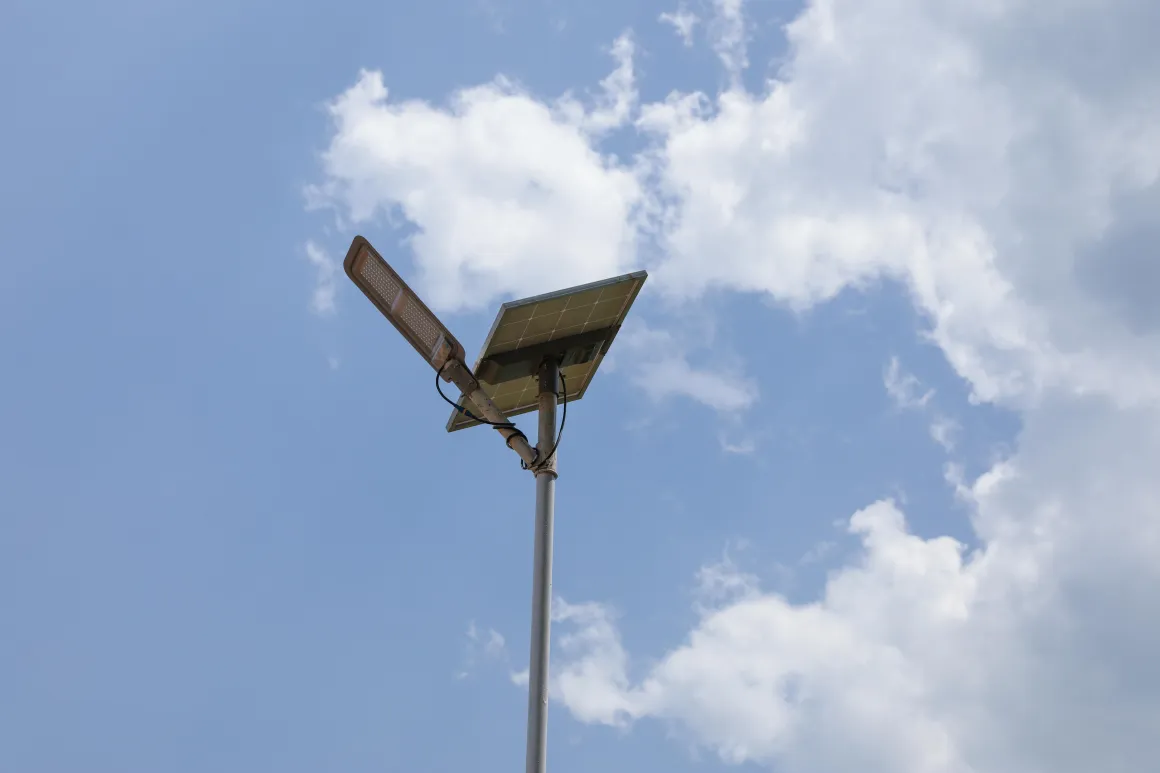
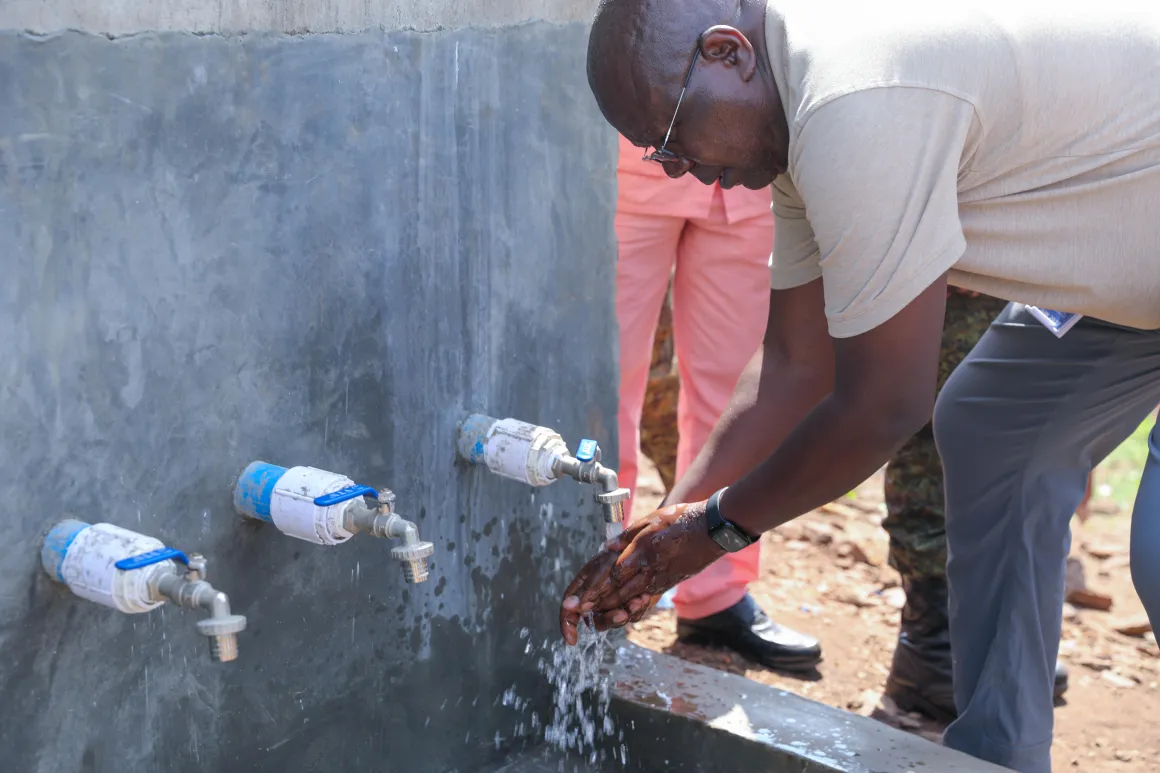
In Sota, in the Bahema d’Irumu chiefdom, MONUSCO handed over four major community infrastructures: a modern market, a dairy facility, a drinking water borehole and a solar-powered public lighting system.
These facilities will benefit more than 20,000 residents and also contribute to health prevention efforts in a context of continued vigilance around the Ebola outbreak.
For residents, these infrastructures respond to needs expressed for many years. “Before, we sold our products on the ground, exposed to the sun and rain. Today, this market will allow us to work in better conditions and improve our family incomes,” explained Charlotte Ganiseka, president of Sota women’s associations and a member of local peace structures.
The water borehole significantly reduces the distances travelled daily by women and children to access water, while public lighting helps strengthen the sense of security in the community.
“This is a real relief for the population. The lighting reduces insecurity risks at night. Women now have access to water close to their homes, and the new market will support local economic activities,” said the president of the Irumu Territorial Youth Council. Irumu Territory Administrator Colonel N’siro Simba welcomed these investments, which, according to him, show young people that peace produces tangible results:
“For every weapon abandoned, we want to see concrete projects emerge for our youth. These infrastructures strengthen cohesion between communities and contribute to the development of our territory.”
Tsere: consolidating reintegration gains
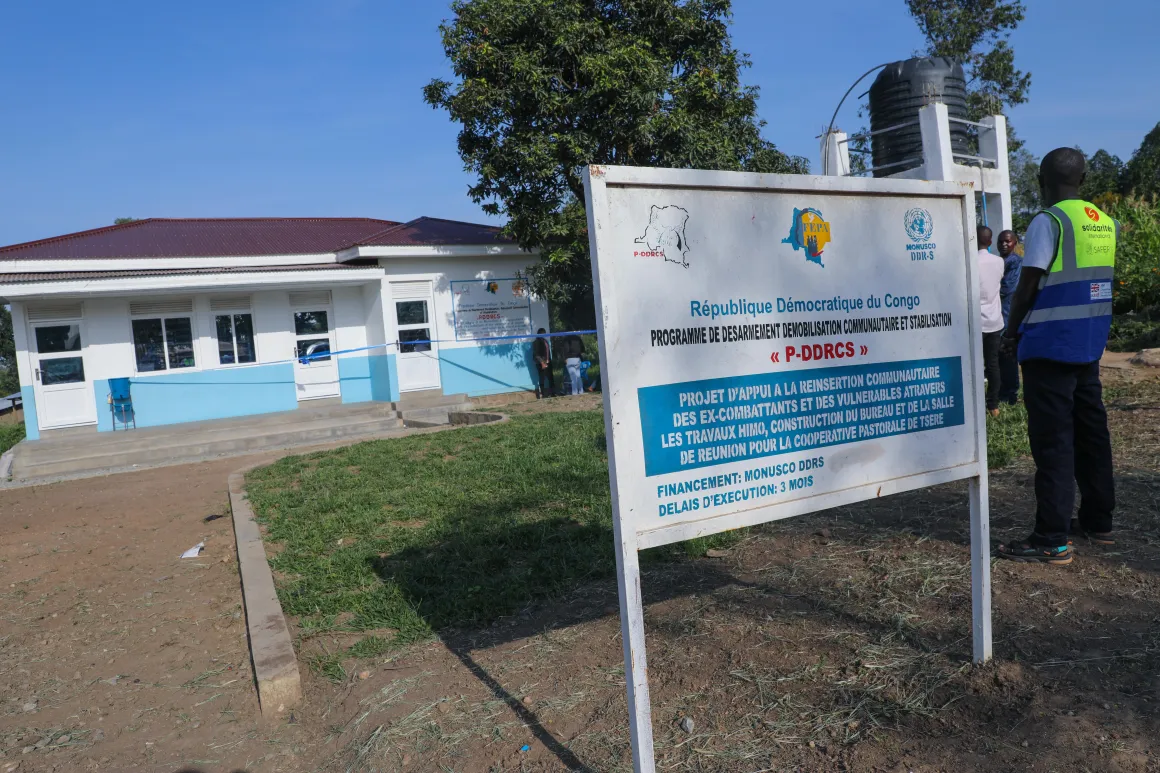
The final stage of the mission took place in Tsere, also located in the Bahema d’Irumu chiefdom. In Tsere, MONUSCO handed over an agro-pastoral cooperative office, together with 25 cows and a water borehole. Under the same project, a 5.5 km secondary road had previously been rehabilitated through the Labour-Intensive Works (THIMO) approach, providing temporary employment and income to 48 beneficiaries, including 16 ex-combatants. During the same ceremony, the new Tsere 2 reintegration project was launched for 63 beneficiaries, including 21 ex-combatants. Implemented by FEPA and PMI, this new programme includes the construction of a cattle shed, the provision of around thirty additional cows, the THIMO rehabilitation of five kilometres of road, the construction of a fence around the agro-pastoral cooperative and psychosocial support.
Building on the achievements of the first phase, this project aims to strengthen beneficiaries’ economic independence, support local development and encourage more ex-combatants to choose the path of demobilization and reintegration. A former combatant, now a cooperative member, shared the impact of reintegration
projects on his journey and return to the community: “When I left the armed group, I was referred to the PDDRCS and then to MONUSCO, which supported us in our reintegration. We took part in road rehabilitation, the construction of the cooperative office and other community works. The income we received helped us meet our families’ needs. Thanks to this project, we are regaining our place in the community and leaving war behind.”
The PDDRCS also welcomed the partnership with MONUSCO, which enables ex-combatants and community members to work together within the same economic projects.
“When they leave armed groups, demobilized persons have often lost everything. By involving them with communities in joint projects, we promote their reintegration and strengthen social cohesion,” said Claude Kasuna, Head of the PDDRCS office in Irumu. Through these initiatives, MONUSCO and its partners demonstrate that beyond disarmament and demobilization, peace consolidation also requires the creation of economic opportunities, the development of useful infrastructure and the strengthening of social cohesion within communities.
Didier Vignon Dossou-Gbakon


