


The United Nations Day celebration held on Wednesday, October 28, in Kinshasa placed the spotlight on persons with disabilities, persons with albinism, Indigenous Pygmy peoples and young people, all of whom face various forms of exclusion. These are “people whose aspirations are not being heard sufficiently,” said Damien Mama, the United Nations Resident Coordinator in the Democratic Republic of the Congo (DRC).
Difficulties in accessing employment
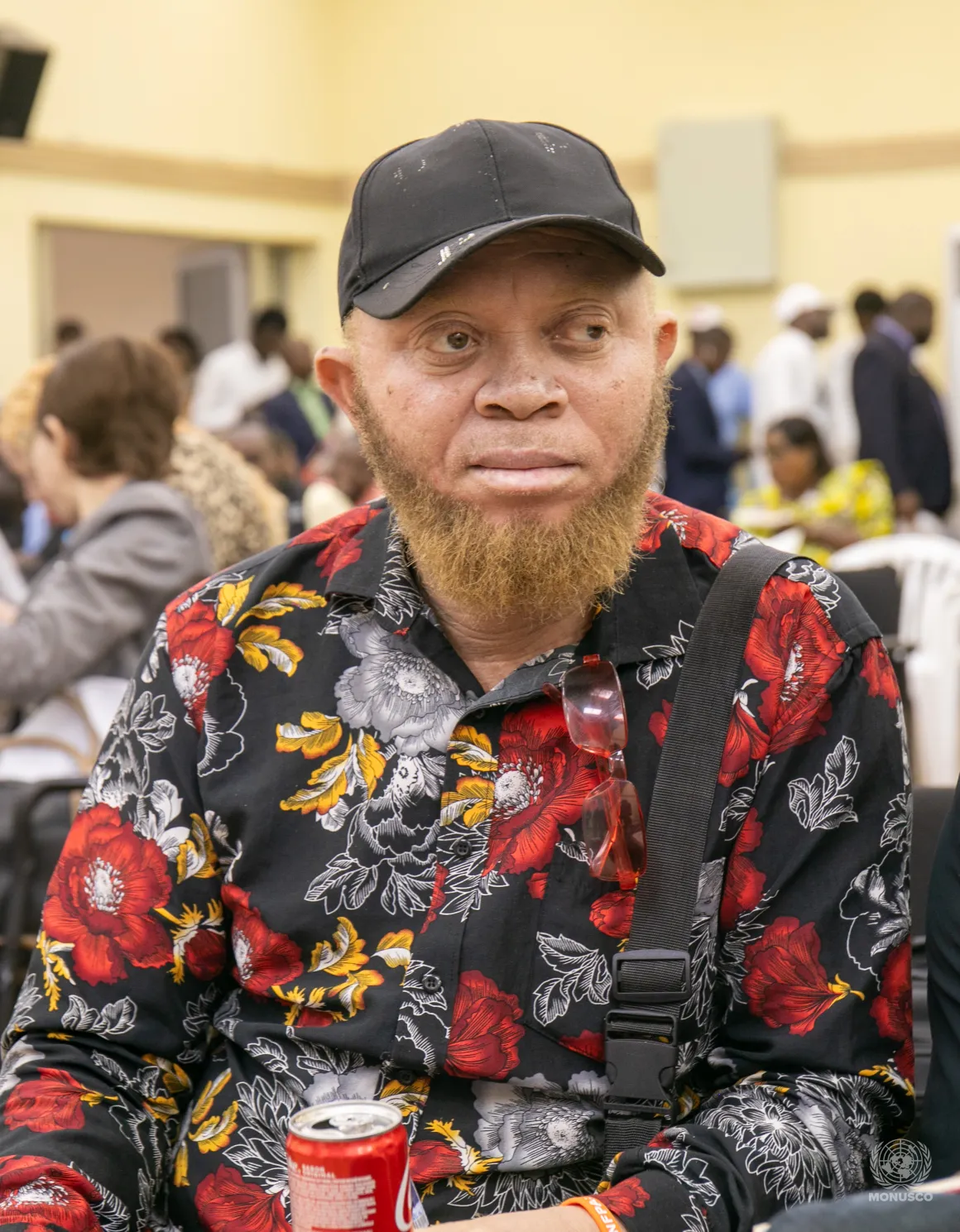
Placide Mukendi knows firsthand what exclusion means. Since 2017, he has been co-directing “Voice of Albino,” an organization advocating for the rights of persons with albinism.
After graduating from the Higher Institute of Commerce—now known as the Kinshasa Higher School of Commerce—the young man applied for a position at a microfinance company. He successfully completed the entire recruitment process, including the interview, only to be informed that he had not been selected. A few months later, a former classmate who had been hired by the company revealed to him that the recruitment manager had confided that he could not imagine employing a person with albinism on his team.
Placide Mukendi says he encountered similar situations during other recruitment processes and has heard other young people complain about the same problem through his NGO.
He subsequently ventured into self-employment and now runs several shops offering telecommunications services.
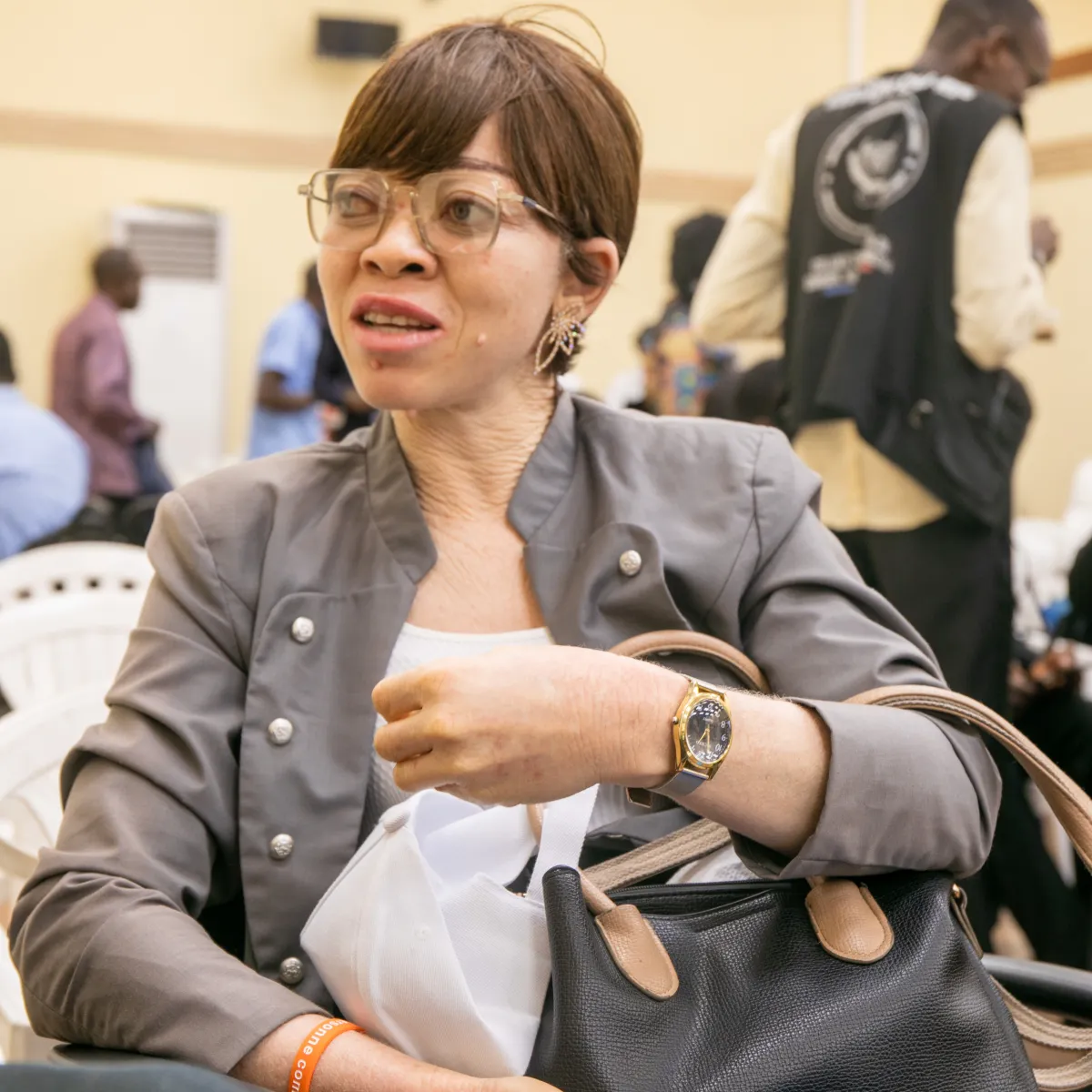
“If you cannot get hired, hire yourself,” his neighbour, Rachel Itindi, jokingly tells him.
The two attended the United Nations Day celebration at the MONUSCO premises in the Utexafrica complex.
Using the media to educate
In his address, Damien Mama emphasized the need for collective efforts to combat exclusion.
“No country, no institution can meet this challenge alone,” he stressed.
Rachel Itindi also believes that inclusion requires the involvement of society as a whole, particularly through education and awareness-raising.
Since 2021, she has been spearheading a media project called “Albinos Family.” It consists of television programmes addressing issues related to albinism. Two years earlier, she had lost her brother, who died of skin cancer.
“I suffered immensely. We grew up as friends,” the young woman recalls.
Rachel Itindi is convinced that her brother would still be alive today if her parents had been properly informed about the skin health issues affecting persons with albinism.
Determined to prevent others from dying because of a lack of knowledge, she hosts weekly educational programmes on albinism on “C’ Possible Télévision,” a TV station broadcasting in Kinshasa and also available via YouTube streaming.
In her view, education can change attitudes and help overcome ignorance.
She remembers that when she was younger, she would sometimes see a passenger get out of a taxi just as she was getting in.
“Today, I no longer witness such behaviour,” she says.
“The belief that people with albinism have magical powers is still deeply rooted,” Placide Mukendi points out.
Rachel Itindi agrees. She is not naïve, but remains optimistic. She believes that sustained awareness-raising efforts will gradually change people's attitudes.
“Beyond legislation…”
Whether they are young people, Indigenous Pygmy peoples, persons with disabilities or persons with albinism, Damien Mama believes that their participation “is essential, not only as beneficiaries of public policies, but also as full-fledged actors, partners and drivers of sustainable development solutions.”
“The United Nations systematically mainstreams inclusion into development programmes, humanitarian action and peacebuilding programmes,” he stated, urging everyone to go “beyond legislation.”
For his part, the Minister of Human Rights, Samuel Mbemba, described the occasion as “an important day” and an opportunity to highlight the Government's efforts to make the DRC an “inclusive, just and equitable” country.
One of the programmes hosted by Rachel Itindi is entitled “Let's Talk Openly About Albinism in Schools.” The young woman firmly believes that schools are where stereotypes must first be challenged—in playgrounds and recreational areas in both primary and secondary schools.
This is where children must learn to see a person with a disability or a person with albinism as a person in their own right, deserving of the same dignity, respect and opportunities as everyone else.


