UN
UN United Nations Peacekeeping
Fighting sexual and digital violence in Ituri: progress, but persistent challenges
Sexual and gender-based violence (SGBV), including digital violence, continues to affect many communities in the Democratic Republic of Congo. Despite actions taken by MONUSCO and its partners, NGOs and associations working in the field believe that prevention and support mechanisms remain insufficient given the scale of the phenomenon, particularly in Ituri province.
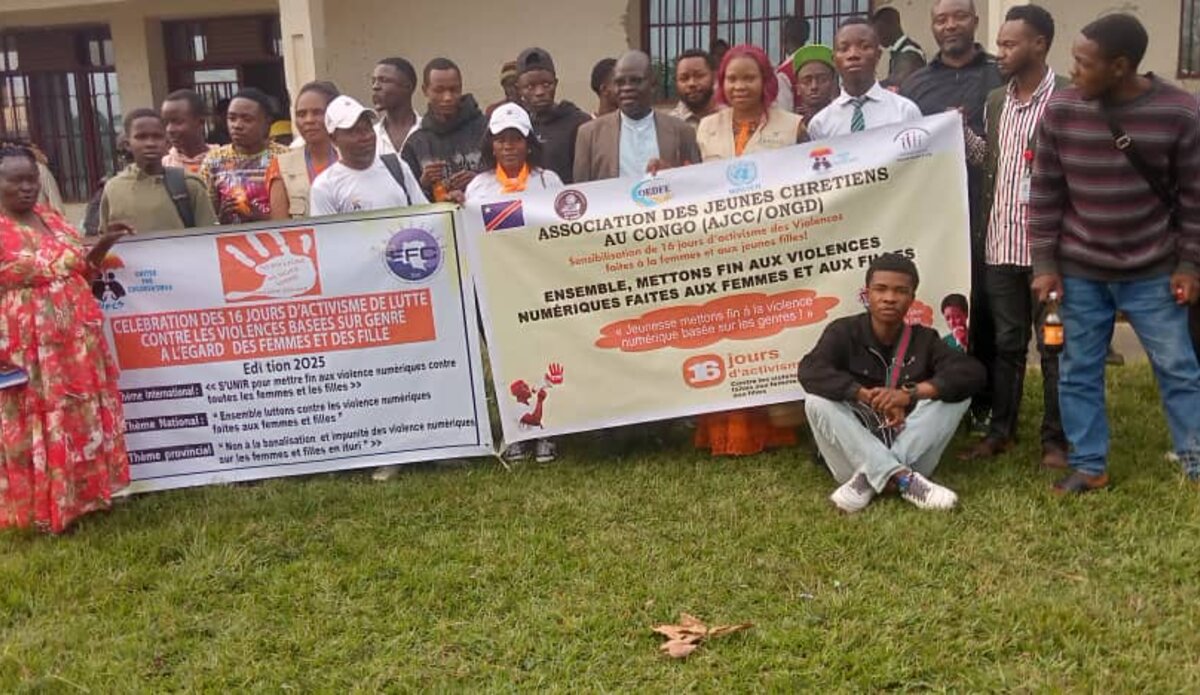
Each year, from November 25 to December 10, the 16 Days of Activism campaign against SGBV provides a framework for increased mobilization. In 2025, several awareness-raising activities were organized by MONUSCO, in collaboration with local organizations, to inform communities about associated risks, including those in the digital environment.
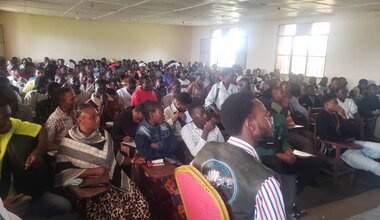
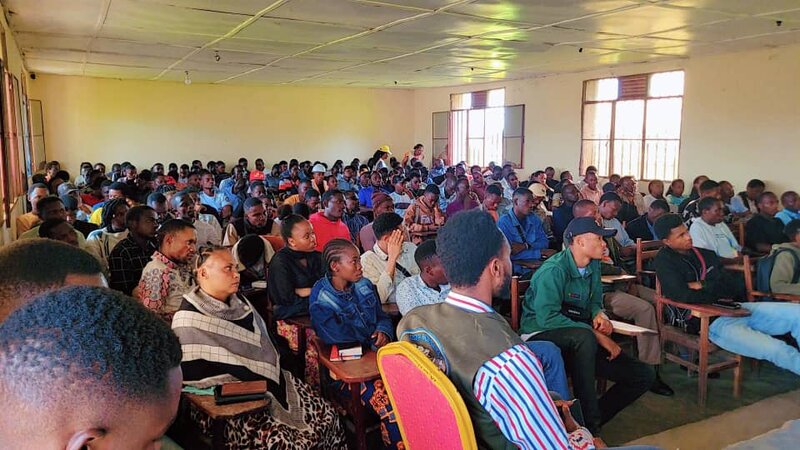
In this context, a conference-debate was held on December 12, 2025, at the Anglican University of Congo (AUC) in Bunia. Organized by MONUSCO in partnership with the Association of Congolese Young Christians (AJCC), United for Children's Smile (UFCS), and the Women's Organization for Women's and Children's Support and Development (OEDFE), the meeting was held under the theme: "Together, let's end digital violence against women and girls."
The conference brought together 163 participants, including 15 women, illustrating the low female participation in discussion spaces, even though women and girls are among the main victims of this violence.
Un cas concret pour illustrer les violences numériques
During the discussions, Sarah Kasime Kamuhanda, a community health student at the Anglican University of Congo, shared the case of a young woman who fell victim to online fraud following contact established on social media. "She was approached by a man who promised her marriage and financial support. After gaining her trust, he asked her for money under the pretext of unlocking a bank account opened in her name," the student explained.
She specified that the victim subsequently lost all contact with this individual, resulting in significant financial losses. "The money was meant to pay for her studies. Following this episode, she had to interrupt her schooling," she added.
The discussions highlighted the consequences of digital violence, particularly on victims' mental health, educational paths, and social integration.
Prevention and Youth Accountability
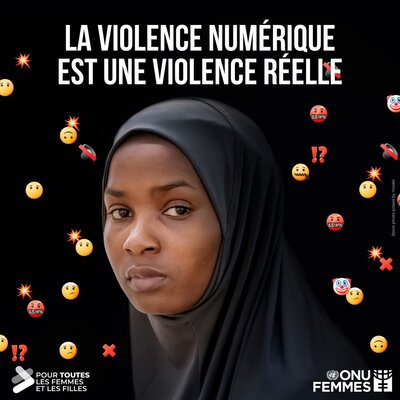
At the end of the conference, several participants indicated their intention to adopt more cautious use of social media, particularly by limiting the sharing of personal information and exercising vigilance in their online interactions.
Speakers emphasized the importance of prevention, reporting abuse, and individual responsibility, particularly among young people, who are often most exposed to risks related to the digital environment.
A Legal Framework and Shared Responsibility
For its part, MONUSCO recalled that the fight against digital violence, as a component of SGBV, is based on individual and collective responsibility. Alain Rubenga, from the Mission's Gender Section in Bunia, emphasized that the dissemination of private information or intimate content for malicious purposes is subject to legal prosecution, as the Democratic Republic of Congo now has a legal framework for digital matters.
He called for joint commitment from institutions, communities, and individuals to prevent these forms of SGBV and strengthen protection for the most vulnerable people.